

From Skepticism to Systemic Change: How Accessibility Became a Core Pillar of Nepal’s Digital Government
A journey from “nice-to-have” to institutional commitment
For years, digital accessibility in Nepal’s government websites was treated as a “nice-to-have”, something perceived as too technical, too expensive, and too complex to implement. It was often framed as an optional enhancement rather than a core requirement of public digital service delivery.
When we first approached the Department of Information Technology (DoIT) with our accessibility project proposal, the response reflected this mindset. There was genuine skepticism:
This question captured a widespread institutional reality: accessibility was seen as an added burden on already overstretched digital systems.
Reframing the Narrative: From Compliance to Technical Quality
The breakthrough came when we changed the conversation.
Instead of framing accessibility purely as a disability rights issue or a legal compliance requirement, we reframed it as a technical quality problem, one that directly affects millions of citizens and the overall performance, usability, and credibility of digital government systems.
Rather than advocacy alone, we brought evidence.
We conducted a comprehensive technical accessibility audit of the DoIT website and documented concrete findings with actionable solutions.
Technical Accessibility Audit Results
Each barrier was not just described, it was demonstrated, documented, and technically mapped.
Accessibility stopped being abstract. It became visible, measurable, and fixable.
The Turning Point: When Seeing Replaced Skepticism
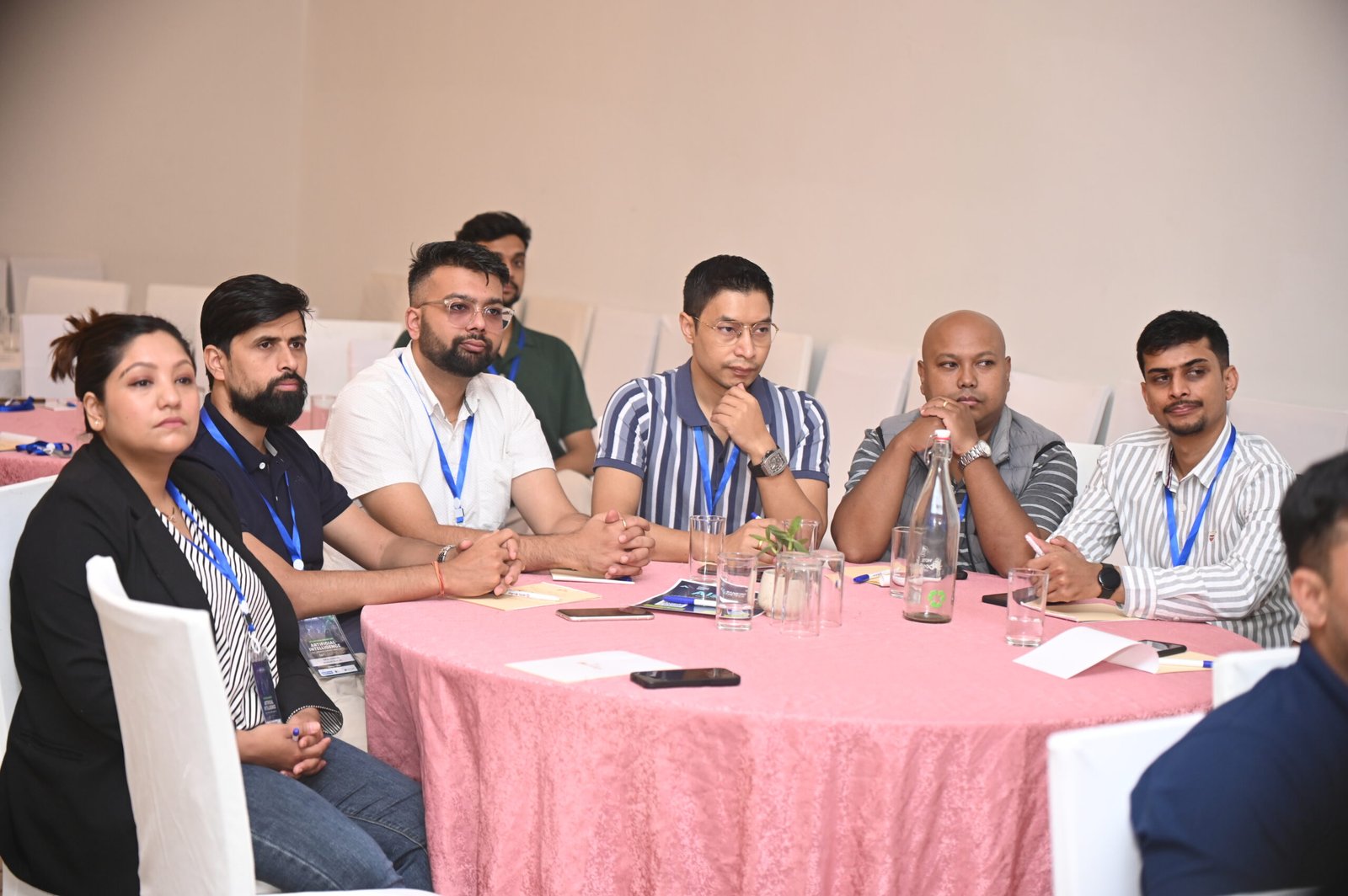
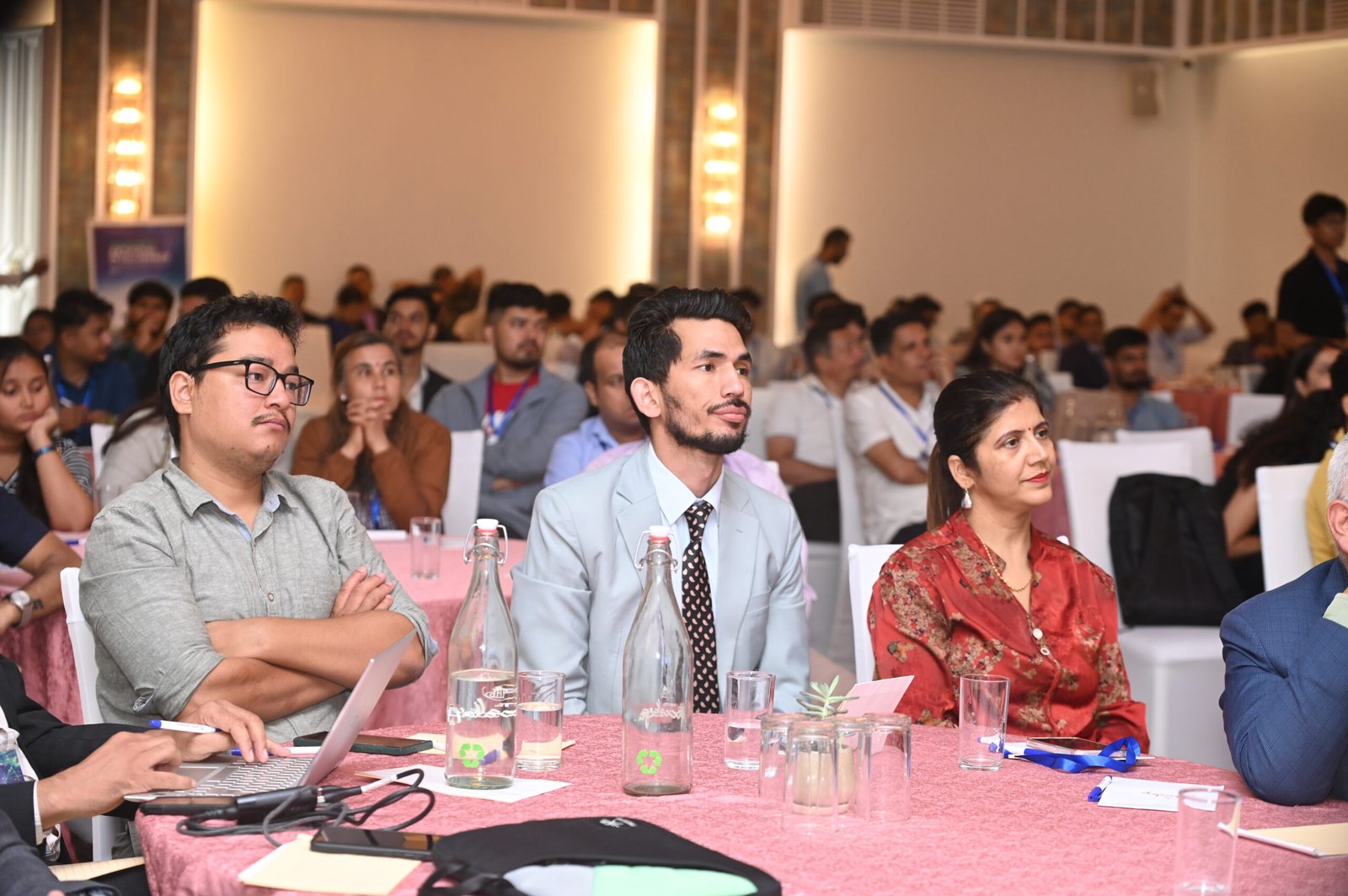
During our multi-stakeholder consultation workshops, something transformative happened.
Government web developers, technical officers, and administrators witnessed real-time demonstrations of exclusion:
- Screen readers failing to interpret unlabeled images
- Keyboard users unable to access navigation menus
- Citizens blocked from services due to mouse-only interactions
- Entire sections of information locked away in PDF-only formats
These were no longer theoretical discussions, they were lived user experiences.
The Conversation Shifted Dramatically
“We thought accessibility meant completely rebuilding our website from scratch. When you showed us the implementation guidelines with specific code examples, we realized these were fixable technical issues, not insurmountable challenges.”
— DoIT Technical OfficerThis moment marked a cultural and institutional shift.
From Recommendation to Commitment
Today, the Department of Information Technology is not just interested, it is committed.
Standards Integration
Integrated accessibility standards into digital planning processes
Long-term Partnership
Affirmed institutional partnership for ongoing implementation
Quality Recognition
Recognized accessibility as a quality standard, not optional feature
Continued Collaboration
Agreed on sustained effort to address systemic barriers
What began as an external audit evolved into internal ownership.
Accessibility moved from being an external recommendation to an institutional responsibility.
Systemic Impact: Beyond a Single Website
The most significant impact goes far beyond the DoIT portal itself.
Government Integrated Website Management System
The DoIT website serves as the template and reference model for Nepal’s entire government web infrastructure
This means that improvements made at DoIT do not remain isolated.
They cascade across the entire government digital ecosystem:
Hundreds of government websites rely on the same system architecture
What started as a single accessibility audit has evolved into a systemic digital transformation process.
This is not website reform, it is governance reform.
A New Institutional Mindset
Today, the Department of Information Technology views accessibility through a completely transformed lens:
❌ No Longer Seen As:
- An optional feature
- A compliance checkbox
- A donor-driven requirement
- A niche disability issue
✅ Now Recognized As:
- A fundamental requirement of quality digital governance
- A technical standard for system design
- A public service obligation
- A core principle of inclusive digital transformation
This shift ensures that Nepal’s digital government serves all citizens, not just some.
Conclusion: Accessibility as Governance, Not Charity
This journey demonstrates a powerful truth:
Accessibility is not charity. It is not complexity. It is not cost.
When institutions move from symbolic inclusion to structural implementation, real transformation begins.
What we are witnessing today is not just the improvement of a website, it is the emergence of a new governance standard for digital Nepal, where inclusion is built into systems, processes, and platforms by design.
It is now a core pillar of Nepal’s digital future.